

Understanding cultural perspectives on gambling A deep dive into traditions and values
The Historical Context of Gambling
The history of gambling is as varied and rich as the cultures from which it originates. In ancient civilizations, such as those in China and Rome, gambling was deeply intertwined with social practices and rituals. These early forms of gambling often included dice games and betting on outcomes of events, establishing gambling as a form of entertainment and a social connector. By examining these historical contexts, one can see how gambling evolved into a structured activity, reflecting societal values of the time. Notably, winningz-au.com represents the modern evolution of these ancient traditions, showcasing how far the gaming experience has come.

In many cultures, gambling was not merely a pastime but held deeper significance, often linked to spiritual beliefs or communal gatherings. For instance, Native American tribes have historically used gambling as a method of economic exchange and social bonding. The narratives surrounding these historical practices reveal how gambling served various purposes, from fostering community ties to providing a means of spiritual engagement. Understanding these foundations gives insight into why gambling persists as a prominent aspect of modern culture.
Moreover, as societies progressed, so did the regulations surrounding gambling. Different cultures developed their own set of rules and beliefs about gambling’s morality and its impact on society. These regulations reflect broader values about risk, reward, and ethical behavior, demonstrating how deeply ingrained gambling is within the social fabric. By recognizing these historical contexts, we can appreciate the complexity of cultural perspectives on gambling today.
Cultural Beliefs and Attitudes Towards Gambling
Cultural beliefs significantly influence how gambling is perceived and practiced across different societies. For instance, in some cultures, gambling is seen as a legitimate form of entertainment and social interaction, while in others, it is viewed with skepticism or outright condemnation. For example, in the United States, gambling has been embraced in various forms, from state lotteries to casinos, but it is often intertwined with issues related to addiction and moral judgments. This dichotomy reflects the broader American ethos of individualism and risk-taking.
Conversely, in many Asian cultures, gambling often carries a more complex narrative, tied to notions of fate, luck, and familial honor. Games such as Mahjong and Pai Gow are not just games of chance but also embody cultural traditions that strengthen family ties during gatherings. The perception of gambling in these cultures often emphasizes communal rather than individual gain, showcasing a different set of values regarding risk and reward.
Additionally, religious beliefs play a significant role in shaping attitudes towards gambling. In some cultures, religious doctrines strictly prohibit gambling, seeing it as a vice that leads to moral decay. This viewpoint is prevalent in various Islamic cultures, where gambling is forbidden. Understanding these diverse beliefs helps to illustrate the broader implications of gambling on cultural identity and social norms, emphasizing that gambling is not a monolithic practice but one shaped by varied historical and cultural narratives.
The Psychological Perspective on Gambling
From a psychological standpoint, gambling is an intriguing subject of study, intertwining with concepts of risk-taking, reward, and human behavior. Various psychological theories help explain why people are drawn to gambling, including the thrill of uncertainty and the allure of potential rewards. The excitement of risking money for the chance of winning larger sums taps into fundamental human desires for success and validation. Such motivations can often be amplified in environments that normalize gambling.
Additionally, cognitive biases play a crucial role in gambling behavior. For example, the “gambler’s fallacy” leads individuals to believe that past events influence future outcomes, fostering a misconception of control over chance. This cognitive distortion can lead to increased gambling, as players may misinterpret losing streaks as a precursor to winning. Understanding these psychological factors sheds light on the complexities surrounding gambling addiction, where the thrill can overshadow rational decision-making.
The social environment also significantly influences gambling behavior. Peer pressure and social norms can encourage individuals to engage in gambling activities, often leading to a collective culture of risk-taking. Studies indicate that social interactions can enhance the excitement of gambling, creating an environment where individuals feel compelled to participate. Exploring these psychological dimensions is vital for comprehending how gambling is perceived across cultures, revealing a deeper layer of human behavior intertwined with cultural values.
The Role of Gambling in Modern Society
In contemporary society, gambling has evolved into a multifaceted industry that incorporates entertainment, technology, and economic opportunity. The rise of online casinos and mobile gaming has revolutionized the gambling landscape, making it more accessible to diverse populations. This shift reflects a broader trend of digitalization in entertainment, where cultural perspectives are adapting to new technologies. The convenience of online platforms attracts a wider audience, reshaping the social dynamics surrounding gambling.
Furthermore, gambling serves as a significant revenue source for many governments, leading to complex debates about regulation and ethics. Governments often promote gambling as a means to bolster economic growth through taxation and job creation. This intersection of economics and culture highlights the dual role of gambling as both a form of entertainment and a vital economic engine, challenging traditional views about its moral implications.
However, the modern approach to gambling also brings forth challenges related to addiction and responsible gaming. Public awareness campaigns aim to address these issues, promoting healthy gambling practices while acknowledging the cultural importance of gaming. This ongoing dialogue reflects a balancing act between embracing the entertainment value of gambling and mitigating its potential harms. Understanding the role of gambling in modern society requires a nuanced perspective that respects both its cultural significance and the responsibilities that come with it.
Exploring Winningz Online Casino
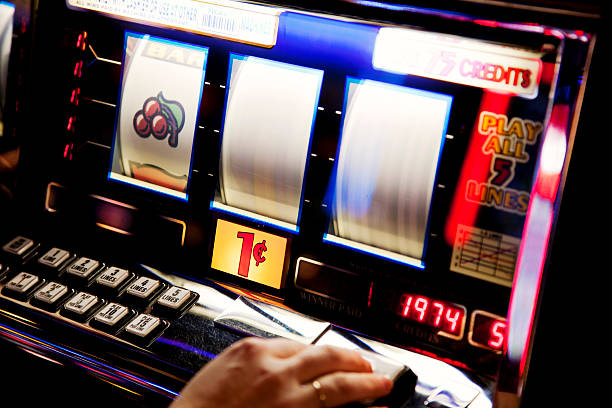
Winningz Online Casino epitomizes the modern gaming experience by blending entertainment with user-friendly technology. With a wide array of games, including popular slots and live dealer options, the platform caters to diverse gaming preferences, making it an attractive destination for both novice and seasoned gamblers. The emphasis on an exciting gaming atmosphere reflects broader cultural trends towards digital engagement and accessibility.
Additionally, Winningz Casino offers generous bonuses and promotions, enhancing the appeal of online gaming. Such incentives are designed to attract new players while creating a rewarding experience for existing users. This approach not only aligns with the industry’s competitive nature but also resonates with cultural perspectives that value opportunity and reward in gambling practices.
By ensuring fast withdrawals and a seamless gaming experience, Winningz Casino exemplifies how online platforms are addressing the needs of modern gamblers. This commitment to customer satisfaction highlights an evolving cultural landscape where convenience and engagement are paramount. As online gambling continues to grow, platforms like Winningz Casino represent the fusion of tradition and modernity in the world of gaming, inviting players to explore and enjoy responsibly.